




 Back
Back
Liu Xiao, Deputy Secretary of the Party Committee of Hunan Pharmaceutical Development and Investment Group, visited our company for research
Release time:2023-05-31 00:00
Source:


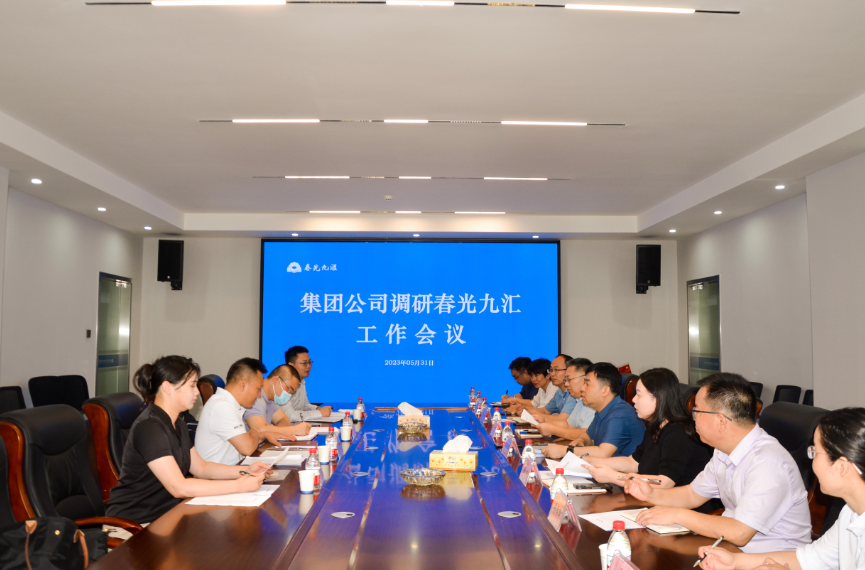
On May 31st, Liu Xiao, Deputy Secretary of the Party Committee of the Group, led a delegation to visit the company for a thematic education and special research focused on enhancing the political and organizational functions of grassroots party organizations, strengthening party leadership and improving corporate governance; thoroughly implementing the strategy of strengthening enterprises through talents, and enhancing the construction of cadre and talent teams. Yang Shuo, Deputy Director of the Party and Mass Work Comprehensive Department of the Group, Shen Fanshun, Secretary of the Party Branch and Chairman of the Company, Tan Feng, General Manager, other members of the leadership team, and heads of relevant departments participated in the research.
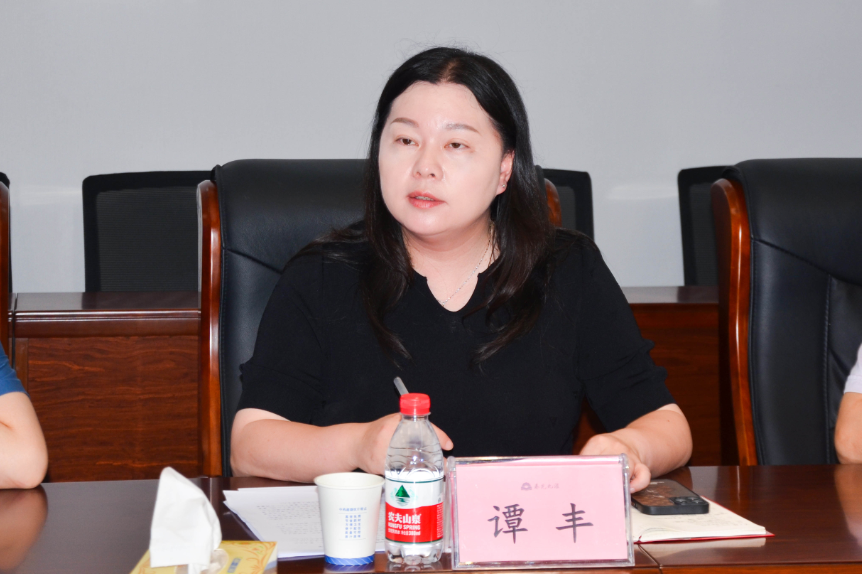
At the meeting, Tan Feng gave a detailed report on the company's efforts in promoting high-quality development led by party building, building a cadre and talent team, conducting thematic education and investigation and research, as well as actively implementing and solving research problems.
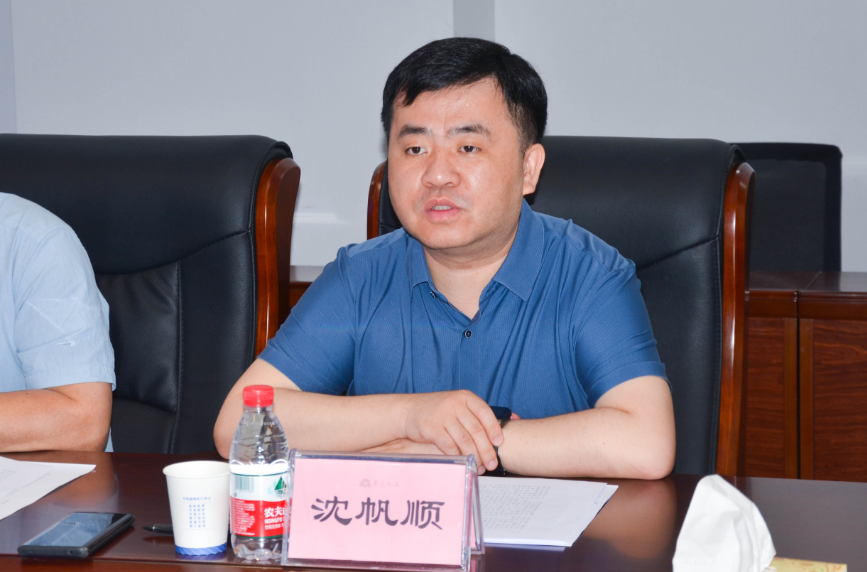
Shen Fanshun stated that the company's factory buildings, equipment, processes, research and development, and external environment have all undergone changes. The only constant is the loyalty of the company's employees. The core issue facing the company at present is the production capacity of the new production line. Currently, the Pharmaceutical Research Institute has been fully engaged in tackling the product process and accelerating the release of production capacity. As a state-owned enterprise, the company always maintains strict quality control. During the transformation and development of its main products, it does not compromise on quality due to increasingly fierce competition and severe market shortages. In terms of talent development, especially in the introduction of R&D and marketing talents, the company will adopt an agreed salary system, strengthen employee training, and promote the continuous development of the company by enhancing the individual abilities of its employees.
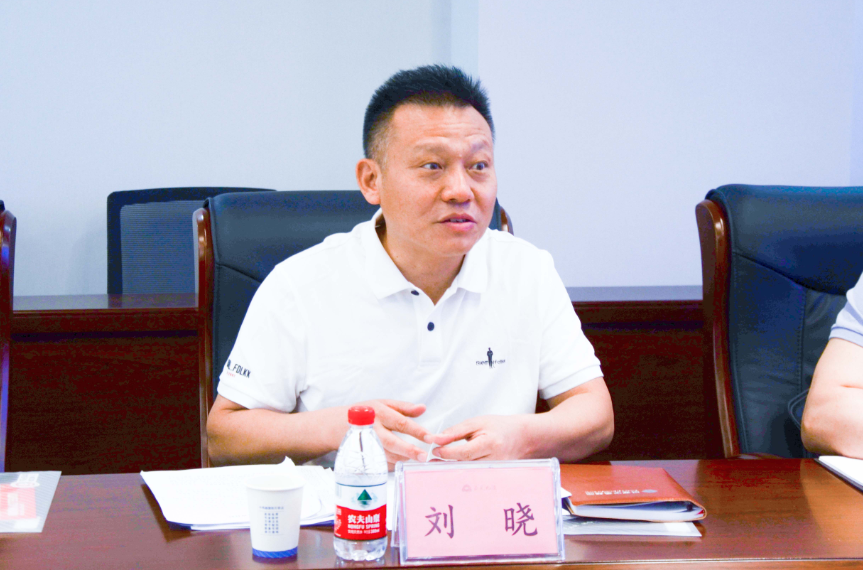
Liu Xiao proposed that this investigation is conducted in accordance with the arrangements and deployment of the thematic education activities of the Group's Party Committee, aiming to "visit the grassroots and promote development" and to understand the issues identified in the company's party building development and reform through party building supervision. Regarding problem-solving, he pointed out that firstly, "we are past the midpoint in time and tasks", and it is necessary to promote high-quality development of the enterprise through party building leadership; secondly, it is necessary to strengthen the construction of talent teams and further optimize the talent structure; thirdly, further standardization is required in basic organizational construction, and as a state-owned enterprise, it is necessary to further implement and refine the learning, thematic education activities, and the construction of branch offices in the "first agenda"; fourthly, it is necessary to further strengthen the construction of the leadership team, give full play to democratic centralism, improve the authorization system, ensure responsibility is assigned, and foster unity and cooperation; fifthly, it is necessary to have a clear approach in team building, referring to excellent enterprises in the industry in terms of talent team structure, salary management, and personnel allocation, and the Group's Party Committee will vigorously support the company's talent work; sixthly, it is necessary to have firm confidence in capacity release, respect scientific and objective laws, and avoid blind actions. Solutions should be found to address issues as soon as possible and reasonably, with time and goal decomposition. Confidentiality should be maintained in key technical aspects, and handling issues should not be rushed. It is necessary to maintain order amidst busyness and avoid making mistakes in chaos; seventhly, it is necessary to respect the historical policy environment when dealing with historical issues, and the solution process should be legal and in accordance with regulations. The disposal procedures should be in place, and economic means should be learned to solve problems; eighthly, it is necessary to support the company in introducing talents through marketization, use more flexible means to address salary structure issues, and promote high-quality development of the enterprise.
-
2025-11-11
Good News | The company has been named the first enterprise on the Technology Transfer Board of Hunan Equity Exchange
-
2025-11-11
Good News | Chun Guang Jiu Hui Awarded as Green Factory in Hunan Province
-
2025-08-13
Preview|The First National Academic Exchange Conference of Chun Guang Jiu Hui and the New Book, New Product and New Achievement Release Conference